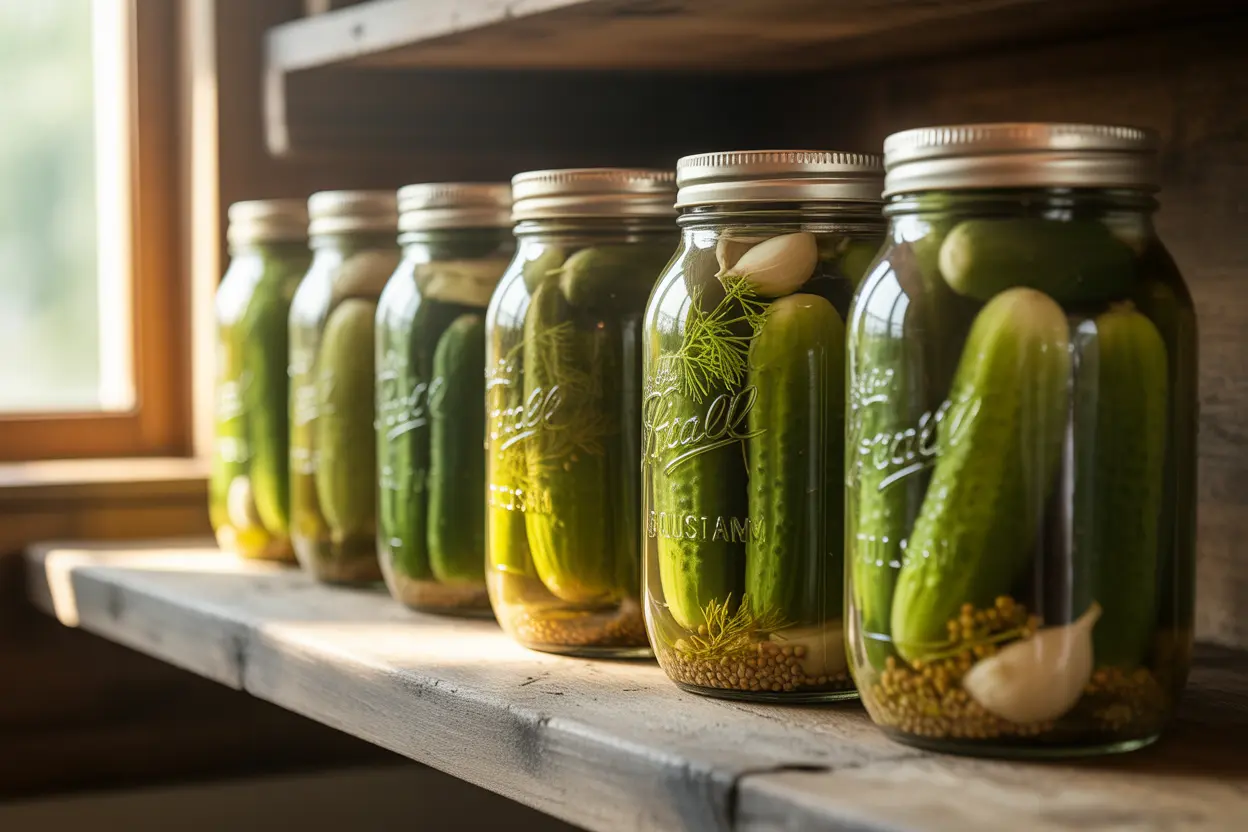
Introduction to Canned Dill Pickle Recipe
Let’s dive into the world of canned dill pickle recipe and why it’s an absolute gem for every kitchen enthusiast. If you’ve ever wondered how to capture that fresh, tangy crunch of dill pickles to enjoy year-round, then you’re in the right place. Canning your own dill pickles means not only having delicious snacks ready but also preserving the bounty of summer cucumbers. Whether you’re a kitchen novice or a seasoned pro, this guide will walk you through everything you need to get started.
Did you know that you can enhance your pickling game by following tested preservation methods? The National Center for Home Food Preservation offers current research-based recommendations to ensure your pickles are safe and bursting with flavor. Plus, picking the freshest vegetables is half the adventure, so check out this guide to selecting the ideal cucumbers before you begin.
What Are Dill Pickles?
Dill pickles are cucumbers soaked in a tangy brine infused with fresh dill and a medley of spices. This traditional pickle recipe transforms those crisp cucumbers into iconic, savory treats loved worldwide. It’s the dill that adds that signature herby note, making dill pickles stand out in the pickle family. As you explore this recipe, you’ll find that the balance of ingredients can turn simple cucumbers into a nutritional snack, rich in probiotics when fermented or preserved perfectly by canning.
Benefits of Canning Dill Pickles at Home
Why can your own pickles? For starters, it’s all about preserving the summer’s bounty—capturing that peak freshness so you can enjoy cucumbers any time of the year. Home canning gives you control over the ingredients, allowing no preservatives or additives that you don’t want. It’s not just tasty; it’s economical and a fantastic way to reduce food waste. Plus, the pride in your own homemade jars can’t be beat!
Ingredients Needed for Canned Dill Pickles
Getting your ingredients right is like building the perfect symphony—each plays a critical role in the final crunch and flavor of your canned dill pickle recipe. Let’s break down what you’ll need and what you can add for an extra zing.
Essential Ingredients
- Pickling cucumbers: These are small, firm cucumbers perfect for pickling. Their texture holds up well through the process.
- White vinegar: Opt for vinegar with 5% acidity to ensure proper preservation. The choice of vinegar affects not only flavor but food safety.
- Canning salt: Use pure salt without additives to avoid cloudiness and ensure crispness.
- Fresh dill sprigs: The star herb offering that unmistakable dill flavor.
- Water: Preferably filtered or distilled for the brine.
The importance of choosing the right vinegar and salt can’t be overstated—more on that in this detailed look at vinegar acidity.
Optional Flavor Enhancers
To take your canned dill pickle recipe to the next level, consider these additions:
- Garlic cloves: For that irresistible, savory kick.
- Mustard seeds: Adds a subtle spiciness and texture.
- Bay leaves: Infuse deeper, earthy notes.
- Black peppercorns: For a gentle heat.
- Red pepper flakes: If you’re leaning toward spicy dill pickles.
Feel free to experiment with your own pickle spice mix to create something uniquely yours!
Preparing Your Cucumbers for Canning
Before they meet the brine, your cucumbers need a little prep magic to ensure the best texture and safety.
Selecting the Right Cucumbers
Choosing pickling cucumbers is crucial because regular slicing cucumbers usually have higher water content and softer skin, which can lead to mushy pickles. Look for small, firm cucumbers ideally under 4 inches long. For more on selecting, check this complete guide to pickling cucumbers.
Washing and Trimming Cucumbers
Give your cucumbers a thorough rinse to remove dirt and any impurities. Trim off the blossom ends, which can harbor enzymes that cause softening during pickling. Nothing ruins a batch like soggy pickles, so this step is key to achieving the perfect crunch. For additional ideas on keeping your pickles crisp, the Penn State Extension shares excellent tips for making crispy pickles.
Step-by-Step Guide to Making Canned Dill Pickles
Ready for the heart of the process? Here’s your detailed walkthrough to homemade canned dill pickle recipe success.
Preparing the Brine Solution
Start by combining water, white vinegar, and canning salt in a pot. Bring this mixture to a boil to fully dissolve the salt and sterilize the brine. The ratio of vinegar to water usually balances at 1:1 or 2:1 depending on your taste and safety needs—never reduce vinegar below 5% acidity for pickling purposes. This brine acts as both a preservative and flavor carrier, so getting it right is crucial.
Packing Jars with Cucumbers and Spices
Sterilize your canning jars beforehand by boiling or using a dishwasher cycle. Start by adding dill sprigs and your chosen spices to each jar. Then pack in the cucumbers as tightly as possible without crushing them. Pour the hot brine over the cucumbers, leaving about a half-inch headspace to allow for expansion. Wipe rims clean and seal with sterilized lids. This layering locks in flavor, ensuring every bite bursts with that classic dill punch.
Processing the Jars for Canning
Place the sealed jars into a boiling water bath, immersing them fully for the recommended time—usually 10 to 15 minutes depending on jar size and altitude. This water bath canning step is essential to kill off bacteria and create a vacuum seal that preserves your pickles safely. Don’t skip following the safe canning guidelines here—they’re your best defense against spoilage.
Cooling and Storing Your Pickles
Once processed, carefully remove the jars and let them cool undisturbed for 12-24 hours. You’ll hear that satisfying “pop” of lids sealing tight! After cooling, check seals by pressing the middle of each lid—it should not flex. Store jars in a cool, dark place away from direct sunlight to protect the flavor and texture.
Tips for Perfect Canned Dill Pickles
Want to elevate your canned dill pickle recipe to perfection? Here are some handy hacks for achieving the perfect crunch and flavor every time.
Avoiding Soggy or Mushy Pickles
- Use fresh pickling cucumbers harvested at their peak.
- Remove blossom ends to prevent softening enzymes.
- Don’t over-process jars—stick to recommended bath times.
- Soak cucumbers in ice water before pickling to snap up extra crispness.
Adjusting Vinegar and Salt Levels
Finding your sweet spot with vinegar and salt isn’t just about taste—it’s essential for safety. Too little acid or salt can invite spoilage; too much can overpower flavors. Always use vinegar with 5% acidity and canning salt without additives. Experiment gradually and consider your personal palate preferences.
Dive deeper into avoiding common pitfalls in the pickling process to keep your jars flawless.
Common Mistakes to Avoid When Canning Dill Pickles
Many an eager home canner has stumbled on the simplest errors. Here’s how to sidestep those blunders and nail your recipe every time.
Using the Wrong Type of Vinegar or Salt
Avoid distilled white vinegar with less than 5% acidity or flavored vinegar, as they can weaken preservation. Similarly, avoid table salt with anti-caking agents that cloud brine or alter flavor. Use recommended canning salt and plain vinegar to keep your pickles crisp and safe.
Improper Jar Sealing and Storage
Make sure your jars are clean, lids sterilized, and rims wiped before sealing. Failing to seal jars properly can result in spoilage or mold. Store pickles in a cool, dark, dry place to maintain the ideal environment. Not sure if your seal is good? Press the lid center to check for resistance, and never use jars with damaged lids.
Storing and Shelf Life of Canned Dill Pickles
You’ve done the pickling process—now what? Here’s how to keep those pickles fresh and when to wave goodbye.
Ideal Storage Conditions
Store your sealed jars in a cool (50-70°F), dark place away from sunlight. Light and heat can degrade the pickles’ color and flavor. A pantry, cellar, or cupboard works great.
Shelf Life and How to Tell When Pickles Go Bad
Properly canned dill pickles can last up to 1-2 years. Signs of spoilage include:
- Bulging lids or leaking jars
- Off or foul odors
- Cloudy brine with mold growth
If in doubt, always err on the side of caution and discard suspect jars.
Variations of Dill Pickle Recipes
Once you’ve mastered the traditional pickle recipe, why not mix things up with some exciting twists?
Spicy Dill Pickles
Add red pepper flakes, fresh jalapeño slices, or hot mustard seeds for zesty heat. It’s an easy way to make your pickles pop with fire and flavor.
Garlic Dill Pickles
Include several peeled garlic cloves in your jars for a robust, savory profile. Garlic’s pungency mellows wonderfully in the brine and complements dill perfectly.
FAQs
Can you use regular vinegar for canned dill pickles?
While some uses of vinegar can vary, for canning dill pickles, it’s essential to use white vinegar with 5% acidity to ensure proper preservation and safety. Lower acidity vinegar or flavored vinegars can compromise the pickles’ shelf life and safety. For an in-depth comparison, explore how the choice of vinegar impacts flavor.
How long do canned dill pickles last?
When properly canned and stored in a cool, dark place, canned dill pickles can last 1 to 2 years. Always check for signs of spoilage like bulging lids or off odors before consuming.
Do you need special salt for canning pickles?
Yes! Use canning salt, which is pure granulated salt without additives like iodine or anti-caking agents. These additives can cause cloudiness and affect pickle texture.
What cucumbers are best for pickling?
Pickling cucumbers are small, firm cucumbers with thin skins, ideal for the canning process. They hold their shape better than slicing cucumbers and produce crisp dill pickles. Learn more in this cucumber selection guide.
Can I make canned dill pickles without a water bath?
Water bath canning is recommended to ensure food safety by killing any harmful bacteria and sealing jars properly. Skipping this step risks spoilage and foodborne illness. For safe canning tips, check out the safe canning guidelines.
Conclusion
Canning your own dill pickles at home is an incredibly rewarding way to preserve fresh cucumbers while creating a tasty treat that’s all your own. This traditional pickle recipe guides you through selecting the best cucumbers, crafting the perfect dill pickle brine, and executing the water bath canning process with safety and confidence. Remember, avoiding common pitfalls in the pickling process like using improper vinegar or salt will keep your pickles crunchy and delicious. Don’t be afraid to venture into dill pickle recipe variations to customize flavors just the way you love. With patience and practice, your homemade pickles will become a much-anticipated staple. Ready to embark on your pickling adventure? Let’s get those jars filled and sealed for a taste of homemade goodness!
For more insights on crafting irresistibly crisp pickles, check out our article on How to Make Crunchy Dill Pickles: A Step-by-Step Guide.