Introduction to Dill Pickles and Crispness
What Are Dill Pickles?
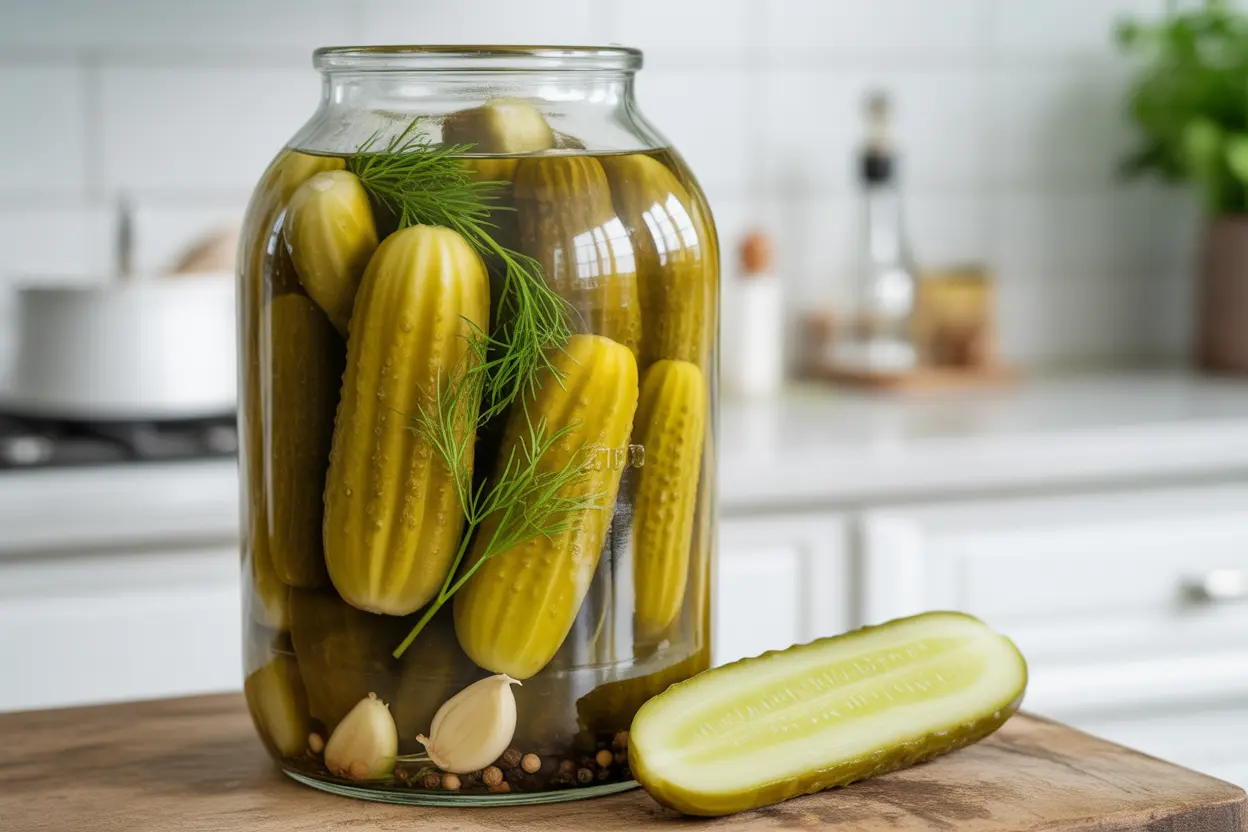
If you’re wondering how to make crunchy dill pickles, you’re in for a treat. Dill pickles are cucumbers that have been soaked or fermented in a tangy, flavorful brine infused with dill and spices. This classic dill pickle recipe has stood the test of time, providing that perfect balance of tartness, saltiness, and herbaceous notes. Whether enjoyed as a snack, sandwich topping, or side, dill pickles add a delightfully refreshing crunch and zest.
Importance of Crispness in Dill Pickles
Nothing beats biting into a crisp dill pickle that snaps with every crunch. Choosing the right techniques for making crunchy dill pickles isn’t just about taste—it’s about avoiding a mushy texture that can ruin your pickling efforts. Crispness elevates the eating experience and signals freshness and quality. That’s why many home cooks and culinary pros alike seek the secrets behind pickle crunch.
Factors Influencing the Crispness of Dill Pickles
Choosing the Right Cucumbers
When you’re figuring out how to make crunchy dill pickles, start with the cucumbers. Not all cucumbers are created equal. The best pickling cucumbers are small, firm, and have fewer seeds, which contribute to that satisfying crunch. According to the best varieties of cucumbers, pickling cucumbers like Kirby or Gherkins excel in texture and flavor retention during pickling. Properly preparing your vegetables from the get-go creates a solid foundation for your pickle brine recipe.
Impact of Harvest Time and Freshness
Just like with many fresh foods, timing is everything. The freshness of cucumbers influences how crunchy your pickles turn out. Cucumbers harvested too late or stored too long lose their firmness, leading to softer pickles. Aim to pickle cucumbers within 24 hours of harvest if possible for the best snap.
Why the Blossom End Should Be Removed
Here’s a pro tip from the pickle crunch secrets vault: always remove the blossom end of the cucumber before pickling. That end contains an enzyme that breaks down pectin, which causes pickles to soften prematurely. Learn more about this surprising fact on Tasting Table. By trimming off this part, you’re preserving the cucumber’s natural firmness.
Secrets and Techniques for Achieving Crisp Dill Pickles
Using the Right Brine: Vinegar, Salt, and Water Ratio
One of the cornerstones in how to make crunchy dill pickles is mastering the brine. A balanced blend of vinegar, salt, and water creates the acidic environment that preserves your pickles and enhances their tanginess. Exploring the differences between vinegars can also affect the flavor and texture. For instance, white vinegar offers a clear, sharp taste, while apple cider vinegar brings a fruity undertone. For an in-depth comparison, check out the article Apple Cider Vinegar vs White Vinegar for Pickles: Which Is Best?. Typically, a ratio of 1:1:1 vinegar, water, and a tablespoon of pickling salt (avoid table salt) per quart works wonders.
Soaking Cucumbers in Ice Water or Salt Water Before Pickling
Before dunking your cucumbers into the brine, soak them in ice water or a mild saltwater solution. This step hydrates the cucumbers and firms up their tissues, setting the stage for crispness. Think of this like a spa treatment for your pickles — the chill makes their cells contract and stay tight during the pickling process.
Adding Grape Leaves or Oak Leaves for Tannins
Want to up your pickle game? Adding grape leaves or oak leaves during pickling introduces natural tannins. These tannins reinforce cucumber cell walls, locking in crunch. According to the experts at Fermented Food Lab, the grape leaf adds tannins that help preserve pickling cucumbers’ crispness without affecting flavor. You can usually find these leaves at local farmer’s markets or specialty stores.
Avoiding Overcooking and Proper Canning Methods
Overcooking cucumbers or improper processing can quickly turn your crunchy pickles into soft blobs. Using Proper Canning Methods is vital, especially if you’re sealing your pickles for long-term storage. The National Center for Home Food Preservation recommends tested recipes and procedures to prevent spoilage and maintain that coveted crunch. Avoid boiling pickles for too long; it’s like overcooking pasta — it just gets mushy!
Using Pickling or Canning Salt Instead of Table Salt
Not all salts are pickle-friendly. Pickling salt or canning salt dissolves easily and doesn’t contain additives that could cloud your brine or cause softening. Table salt often has anti-caking agents that can muddy the flavor and texture. Sticking with pickling salt keeps your brine crystal clear and your cucumbers firm.
Cold Storage and Maintaining Crispness After Pickling
Once your pickles are canned or refrigerated, how you store them matters. Keeping pickles in a cool, dark place or refrigerated (especially for quick dill pickles) slows down enzymatic activity and prevents softening. Many pickle aficionados recommend cold storage as a crucial step for how to keep pickles crunchy.
Common Mistakes That Cause Soft Pickles and How to Avoid Them
Using Cucumbers That Are Too Ripe or Old
Starting with overripe or old cucumbers is like baking a cake with expired flour—it just won’t turn out right. These cucumbers have already lost their firm texture, leading to soggy pickles. For crisp pickles, freshness is non-negotiable.
Skipping Trimming of Ends or Blossom End
Another frequent blunder is skipping the trimming of the cucumber’s ends, particularly the blossom end. The enzyme here causes pickles to soften rapidly, so don’t skip this simple step. For more insights, see some common pickling pitfalls.
Using the Wrong Salt or Vinegar Type
As mentioned earlier, table salt can sabotage your pickle texture. Also, using vinegar with lower acidity than recommended can lead to unsafe fermentation or mushiness. Stick to pickling salt and vinegars with at least 5% acidity.
Over-Processing in a Pressure Canner or Boiling Too Long
Pressure canners and boiling water baths can be tricky. Over-processing breaks down the cucumber’s structure. Follow your recipe’s recommended times carefully or refer to trusted canning resources like the UNC link above.
Not Cooling Pickles Properly After Processing
Lastly, once processed, let your pickles cool gradually at room temperature. Rapid temperature changes or agitation can cause soft spots or cloudiness.
Additional Tips and Variations for Crispness
Cutting Off Both Ends of Cucumbers
For a thorough approach, cut off both the blossom and stem ends of cucumbers. This ensures any unwanted enzymes or tough textures won’t interfere with crunch. It might feel a bit wasteful, but the crisp payoff is worth it!
Using Ice Cubes in the Jar During Packing
Ever tried adding ice cubes to your pickle jars during packing? It’s a nifty trick that keeps cucumbers cold initially and dilutes brine slightly, helping them stay firm longer.
Incorporating Fresh Dill and Other Flavorings
Of course, fresh dill is the star of dill pickles. Add it generously along with garlic, peppercorns, mustard seeds, or your favorite pickling spices to customize your flavor while maintaining crunch.
Experimenting with Different Vinegar Types
Vinegar isn’t one-size-fits-all. Try white, apple cider, or even malt vinegar for unique flavor profiles, but always maintain the correct vinegar ratio for pickles to preserve safety and crunch. Learn more about experimenting by exploring the differences between vinegars.
FAQs
Why do pickles sometimes turn out soft instead of crisp?
Soft pickles often result from using overripe cucumbers, not removing the blossom end, using incorrect salt or vinegar, or over-processing during canning. Each of these factors causes the cucumber tissues to break down, resulting in a mealy texture rather than a satisfying crunch.
What is the role of grape leaves in making crunchy pickles?
Grape leaves introduce natural tannins into the pickle jar, which reinforce cucumber cell walls and lock in crunch. These tannins act like little structural guards, preventing cucumbers from going soft during the pickling process.
Can I use any type of cucumber for dill pickles?
While technically you can pickle any cucumber, pickling cucumbers are preferred because they are smaller, have thinner skins, and fewer seeds, all contributing to better texture and flavor retention in your pickles.
How does soaking cucumbers in ice water improve pickle crunchiness?
Soaking cucumbers in ice water helps hydrate and firm their cells before pickling. The cold contracts tissues and slows enzymatic activity, resulting in firmer, crispier pickles post-brining.
Is it important to remove the blossom end of the cucumber before pickling?
Absolutely! The blossom end contains enzymes that break down the cucumber’s pectin, causing softness. Removing it prevents this enzymatic action and helps maintain the pickle’s crisp texture.
Conclusion
Achieving crisp dill pickles is both an art and a science. It’s all about selecting fresh, firm cucumbers and mastering your pickle brine recipe with the perfect vinegar, salt, and water mix. Remember to remove the blossom end, add natural tannins like grape leaves, and follow proper canning techniques to avoid mushiness. Avoid common mistakes like over-processing or using the wrong salt, and keep your pickles stored cold. With these pickle crunch secrets and tips, you’ll be well on your way to crafting homemade dill pickles that are reliably crunchy and delicious. For more on preserving perfect pickle texture, check out Canned Dill Pickle Recipe: Your Guide to Perfectly Crisp Pickles.