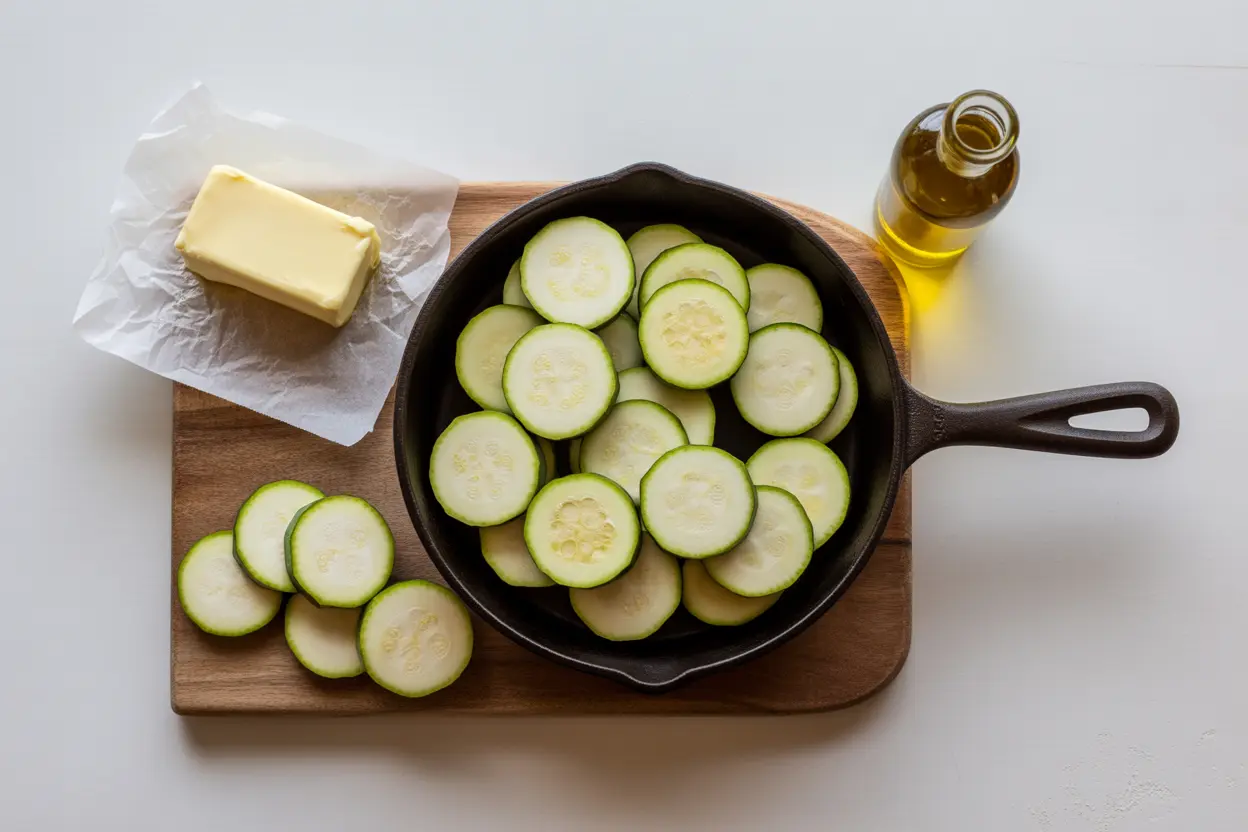
Introduction to Sautéing Zucchini
If you’ve ever wondered whether to use butter or oil when cooking your favorite veggies, you’re not alone. Sautéing zucchini butter or oil can dramatically affect the flavor and texture of this versatile vegetable. Sautéing is a quick, flavorful cooking technique, and picking the right fat can enhance your dish’s taste while influencing how your zucchini cooks. By understanding the nuances of each fat, you boost your kitchen confidence and enjoy your meals even more. If you want to become a pro at mastering different cooking methods, this is a great place to start!
What Does Sautéing Mean?
Sautéing is a form of dry-heat cooking that uses a hot pan and a small amount of fat to cook food quickly and evenly, typically over medium-high heat. The word itself comes from the French “sauter,” meaning “to jump,” describing how ingredients seemingly hop in the pan during cooking. Curious to see more about this quick, lively cooking style? Check out this clear definition of the cooking method.
Why Choose Zucchini for Sautéing?
Zucchini is a fantastic veggie choice for sautéing because it’s rich in several vitamins, minerals, and antioxidants, making it both nutritious and delicious. Its tender flesh cooks quickly, absorbing flavors beautifully while retaining a slight crunch when done right. Interested in discovering a variety of ways to prepare this versatile squash? Head over to our ultimate guide featuring zucchini recipes that will keep your meals exciting.
Butter vs. Oil: Overview for Sautéing
Choosing between butter or oil is a common question when sautéing zucchini butter or oil. Both fats serve a similar function—helping the zucchini cook evenly and preventing sticking—but they offer different characteristics that affect your dish’s taste, texture, and health impact.
Characteristics of Butter in Cooking
Butter brings a rich, creamy taste that can elevate simple vegetables into something special. It contains natural milk solids, which contribute to browning effects and a slightly nutty flavor when heated. However, butter has a relatively low smoke point, which means it can burn quickly at high temperatures. For an in-depth look at how different butters can enhance your cooking, you might want to check out expert tips on how different butters can elevate a dish.
Characteristics of Cooking Oils
Oils usually have higher smoke points than butter, which means they can withstand higher heat without burning, making them reliable for sautéing at medium to high temperatures. Olive oil, avocado oil, and canola oil are popular choices, each offering unique flavors and health benefits. Oils often contain unsaturated fats, which are considered heart-healthy and can complement a nutritious diet. For more on this, learn about cooking oils for vegetables, which unlock different flavor profiles.
Flavor and Texture Impact of Butter and Oil on Sautéed Zucchini
The fat you choose directly determines how your zucchini tastes and feels once cooked. Whether you crave a buttery richness or a light, subtly flavored finish, understanding these differences can refine your cooking.
Butter’s Influence on Taste and Browning
Butter adds a luscious, indulgent flavor to sautéed zucchini, creating a golden-brown crust that’s hard to resist. Thanks to its milk solids, butter helps produce that toasted aroma and enhances the perception of sweetness in vegetables. This butter browning effect reveals why many chefs prize butter for finishing dishes. Experimenting with butter flavor can bring an exciting twist to your routine sautéing — see how combining it with garlic or herbs deepens the profile even more.
How Oil Affects Zucchini Flavor and Texture
Oils typically lend a cleaner flavor, allowing the zucchini’s natural taste to shine through without overpowering it. Lighter oils like canola don’t compete with the vegetable, while fruitier oils such as olive add their own subtle notes. Oils also tend to create a softer texture compared to the slight crispness butter imparts, which might be your preference if you favor tender vegetables. Wondering how to balance these textures? Our step-by-step guide to sautéing zucchini offers brilliant insights.
Health Considerations When Choosing Butter or Oil for Sautéing
While flavor matters, so does health. Making informed choices about fats helps maintain balance in your diet and supports overall wellness.
Nutritional Profile of Butter
Butter is a source of saturated fats, which have been under the microscope for their role in heart health. It also contains fat-soluble vitamins like A, D, and E, and can add richness with fewer additives compared to processed alternatives. If you want to understand more about Replacing foods high in saturated fat with healthier options, check the American Heart Association’s insights here.
Nutritional Benefits of Oils Commonly Used in Sautéing
Many oils, especially olive and avocado, are packed with unsaturated fats that support heart health and reduce inflammation. Olive oil, rich in antioxidants, has been extensively studied for its health benefits, including cholesterol management and antioxidant properties. Canola oil is praised for a balanced omega-3 and omega-6 ratio. These heart healthy oils are staples for anyone aiming for plant-based cooking fats in their kitchen.
Health Risks and Moderation Tips
Even healthy fats can add up in calories, so moderation is essential. Overheating oils beyond their smoke point can create harmful compounds, so choosing the right fat for your cooking temperature matters. Combining fats or adjusting quantities can be delicious without going overboard.
Smoke Points and Cooking Performance
Understanding smoke points is key to achieving perfect sautéed zucchini without burnt flavors or unhealthy byproducts.
Understanding Smoke Points of Butter and Oils
Every cooking fat… has a smoke point, the temperature at which it starts to smoke and degrade. Butter’s smoke point is relatively low (around 300°F/150°C) due to milk solids, while oils like olive or avocado can tolerate temperatures above 400°F (204°C). Learning about cooking fat smoke points can guide you to pick the right fat for each cooking method — see more details here.
Why Smoke Point Matters in Sautéing Zucchini
Sautéing usually involves medium-high heat, which is why choosing fat with a suitable smoke point prevents burning and preserves flavor. Using butter alone may require more attention to heat control, while oils give you more leeway. This is especially important when cooking delicate vegetables like zucchini, where you want a nice sear without bitterness.
Best Oils to Use for Sautéing Zucchini
Picking the right oil can maximize flavor and healthfulness when sautéing zucchini butter or oil.
Olive Oil: Taste and Benefits
Olive oil is a crowd favorite for its fruity aroma and heart-healthy unsaturated fats. Its medium smoke point makes it perfect for gentle to moderate sautéing. Plus, it complements zucchini superbly, adding layers of depth without overpowering the dish. Curious about more ways to enjoy its benefits? Our guide on olive oil for sautéing explains it all.
Avocado, Canola, and Other Oils
Avocado oil is prized for its high smoke point and mild flavor, making it versatile for various heat levels. Canola oil is budget-friendly, neutral, and rich in omega-3 fatty acids, ideal for those seeking plant-based cooking fats. Other good choices include grapeseed and sunflower oils, each contributing unique qualities. Choosing among them depends on your taste buds and nutritional goals.
Combining Butter and Oil for Optimal Results
Why settle for one when you can enjoy the best of both worlds? Mixing butter and oil is a popular technique to harness the unique benefits of each.
Benefits of Mixing Butter and Oil
Blending butter with oil raises the overall smoke point, allowing you to cook at higher temperatures without burning the butter’s milk solids. You still get that luscious butter flavor complemented by the oil’s stability and health advantages. This clever combo offers rich taste alongside improved cooking performance.
Tips for Sautéing Zucchini with a Butter-Oil Blend
Start with oil in your pan, then add butter once the oil is hot. Keep the flame moderate to avoid browning too fast. Stir frequently for even cooking that results in tender, flavorful zucchini with a delightful golden finish. This technique works great for other vegetables too, so it’s a handy skill to add to your kitchen playbook.
Step-by-Step Guide to Sautéing Zucchini in Butter vs. Oil
Ready to put theory into tasty practice? Here’s your clear plan for perfectly sautéed zucchini using butter or oil.
Preparation Tips for Zucchini
First things first: properly preparing your zucchini sets the stage. Wash thoroughly, then slice evenly to ensure uniform cooking. If preferred, sprinkle with a pinch of salt to draw out extra moisture or soak your zucchini beforehand for better texture—check out our full soaking zucchini before cooking guide for more.
Sautéing with Butter: Method and Tips
Melt a tablespoon of butter over medium heat. As soon as it foams but before it browns, add zucchini slices in a single layer. Keep the heat steady and cook without overcrowding to let the veggies brown beautifully. Flip occasionally until tender and golden. Remember, butter’s lower smoke point means you’ll want to keep an eye on the pan to prevent burning.
Sautéing with Oil: Method and Tips
Heat your chosen oil—olive or avocado work well—over medium-high heat until shimmering. Add zucchini slices and spread evenly. Let them cook undisturbed for a few minutes to get that slight caramelization, then toss or flip gently. Oil handles higher heat better, so you can cook a bit faster, yielding tender zucchini with a mild, fresh taste.
If you want more ideas for perfecting your vegetable dishes, check out how to cook zucchini: a guide to perfect flavor & texture.
FAQs
Is it healthier to sauté zucchini in butter or oil?
While butter adds rich flavor, it contains more saturated fat, which should be consumed in moderation. Oils like olive or avocado offer heart-healthy unsaturated fats and antioxidants, making them generally a healthier choice for sautéing zucchini butter or oil. However, small amounts of butter are fine occasionally, especially when combined with oils to balance flavor and nutrition.
Does butter burn faster than oil when sautéing zucchini?
Yes, butter burns faster because of the milk solids that brown quickly at lower temperatures. Oils have higher smoke points, allowing them to withstand higher heat without burning. Mixing butter with oil raises the smoke point, preventing quick burning and prolonging rich flavor during sautéing.
Can I sauté zucchini without any fat like butter or oil?
Sautéing traditionally requires some fat for even cooking and flavor. Cooking zucchini without any fat is possible but may lead to uneven cooking or sticking, and a less appealing texture. For oil-free cooking methods, steaming or baking zucchini might be better alternatives.
What oil has the best smoke point for sautéing vegetables?
Avocado oil boasts one of the highest smoke points (~520°F/271°C), making it excellent for sautéing. Light refined olive oil and canola oil also have decent smoke points suitable for most vegetable sautés. Choosing oil depends on both cooking temperature and desired flavor.
Why do some recipes recommend combining butter and oil for sautéing?
Combining butter and oil balances the flavor richness of butter with the higher smoke point and stability of oil. This mix lets you enjoy the best taste and cooking performance without risking burnt butter or compromised texture. It’s a perfect trick to get that golden zucchini while keeping things healthy and tasty.
Conclusion
Choosing between butter and oil to sauté zucchini depends on your flavor preferences, health goals, and cooking habits. Butter offers decadent flavor and beautifully browned results but comes with a lower smoke point and more saturated fat. Oils like olive and avocado provide heart-healthy fats and can handle higher cooking temperatures. Many cooks find that combining butter and oil is an excellent way to enjoy the advantages of both fats. Ultimately, the best fat balances taste, nutrition, and cooking performance to suit your personal palate and dietary needs. Don’t forget, there are plenty of other delicious zucchini dishes out there waiting for your magic touch!