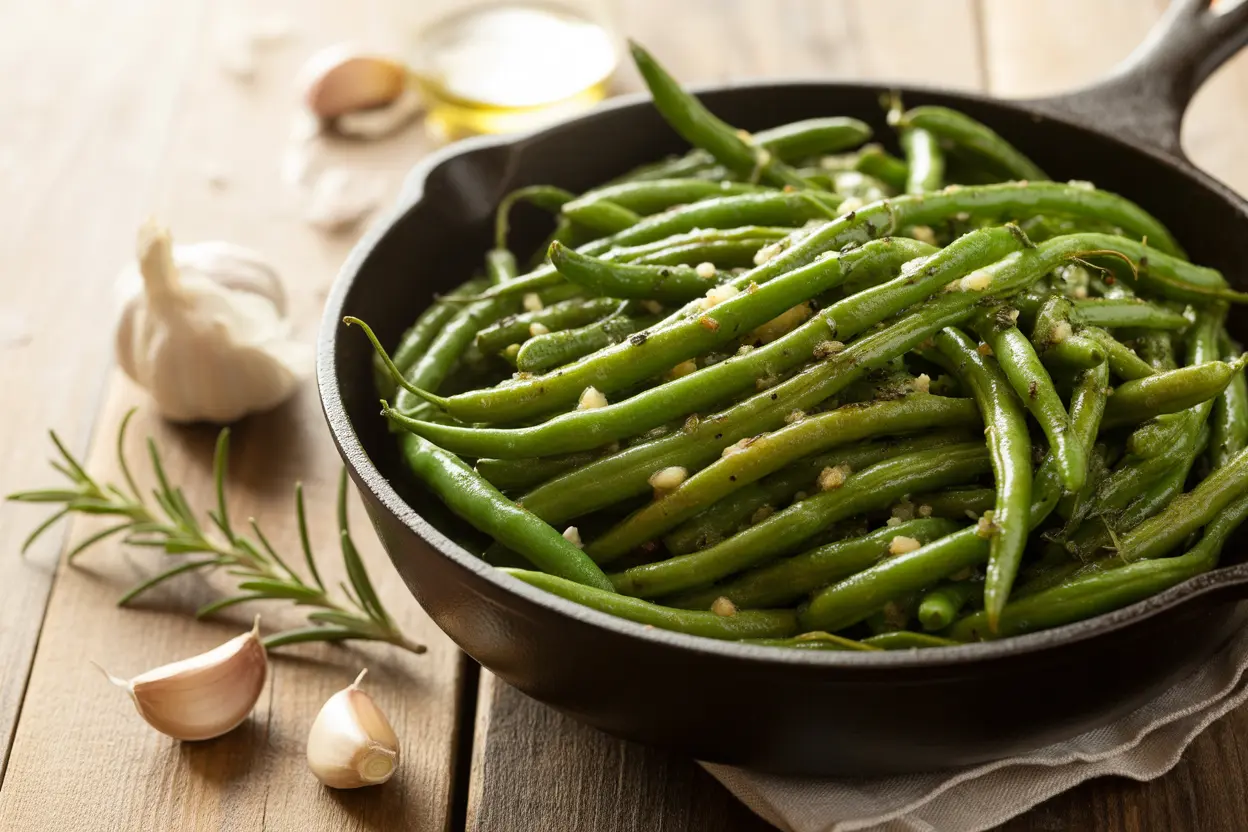
Introduction to Frozen Green Bean Recipes
Frozen green beans are a fantastic pantry staple that can transform your meals with minimal effort. Whether you’re whipping up a quick side or a hearty main, frozen green bean recipes bring convenience without sacrificing taste. Because these beans are picked and frozen at peak freshness, they often preserve nutrient value better than fresh beans found in the supermarket aisles, making them a smart choice for healthy home cooking. Curious about how to maximize their potential? You’ll find plenty of inspiration in recipes that highlight their versatility and vibrant flavor.
Before diving into recipe ideas, check out Nutritional Value of Green Beans to understand why green beans are a nutritional powerhouse packed with essential vitamins and minerals. Also, understanding the nutritional content of fresh and frozen produce can help you appreciate why frozen green beans hold their own in your cooking.
Benefits of Using Frozen Green Beans
Using frozen green beans offers several benefits: convenience, long shelf life, and consistent quality. Since they’re flash-frozen soon after harvest, they’re locked in at their nutritional peak. This means you can enjoy their crunch and flavor long after green bean season is over. Plus, having frozen green beans on hand means less food waste—grab only what you need without worrying about spoilage. Frozen green beans also eliminate the hassle of cleaning and trimming, so your prep time shrinks dramatically.
Nutritional Value of Green Beans
Green beans are low in calories yet rich in dietary fiber, vitamin C, and vitamin K, making them a nutritious addition to any meal. They provide antioxidants and a modest amount of protein, supporting a balanced diet. Whether you steam them or roast them, the nutritional profile remains strong, especially when using frozen beans that are frozen at their peak freshness.
How to Cook Frozen Green Beans Perfectly
Mastering how to cook frozen green beans to retain their texture and flavor is easier than you might think. Whether you’re deciding between sautéing, steaming, or roasting, the key is knowing how to start with frozen beans and bring out their best qualities without turning them mushy or bland. For an in-depth look at deciding whether to thaw beforehand, we’ve covered all the tips you’ll need.
Thawing vs Cooking From Frozen
Do you really need to thaw your frozen green beans before cooking? It depends on your recipe and desired texture. Cooking green beans straight from frozen is often the best way to keep their snap and avoid sogginess. For example, roasting or sautéing usually works best with frozen-to-cooked transitions to preserve crispness. However, some dishes or certain stir-fry techniques might benefit from thawing to help seasoning penetrate better. The art is in deciding whether to thaw beforehand, balancing convenience and texture.
Best Cooking Methods: Sautéing, Roasting, Steaming, Boiling
Each cooking method brings out a different aspect of frozen green beans:
- Sautéing: Quick and flavorful; tossing frozen beans in a hot pan with oil and seasonings delivers a smoky, crisp finish.
- Roasting: Wrangling in olive oil and herbs before roasting frozen beans creates caramelized edges with a deep, savory flavor.
- Steaming: A gentle method that preserves nutrients and maintains a tender-crisp texture—perfect for a simple side.
- Boiling: The classic approach, though overboiling can quickly make beans limp, so timing is key.
For streaks of fresh taste and texture, it’s worth exploring these cooking techniques to find your favorite way to prepare frozen green beans. Plus, understanding common stir-fry mistakes can help you keep the vegetables crisp.
Top Frozen Green Bean Recipes for Quick Side Dishes
Ready to spice up your dinner plate? These frozen green bean recipes offer simplicity and flavor, perfect for quick side dishes that complement any main course. Looking for simple tricks to boost flavor? You won’t want to miss our top picks.
Sautéed Frozen Green Beans with Garlic and Italian Seasoning
This recipe is all about bringing out the best in frozen green beans with the power of garlic and Italian seasoning. In just 10 minutes, you can have a vibrant side dish. Heat olive oil in a skillet, add minced garlic until fragrant, then toss in frozen green beans straight from the bag. Sprinkle Italian seasoning and salt to taste. Sauté until tender yet crisp, about 5–7 minutes. This dish pairs well with grilled meats or pasta, delivering fresh herbaceous notes that brighten your plate.
Roasted Frozen Green Beans with Olive Oil and Herbs
Roasting frozen green beans unlocks a wonderful texture and flavor twist. Simply toss the frozen beans with olive oil, rosemary, thyme, salt, and pepper on a baking sheet. Roast at 425°F (220°C) for about 20 minutes, flipping halfway through. The result? Crisp, slightly charred edges with a rich, savory aroma that elevates even the simplest meals. This method is perfect when you want to impress guests with minimal effort.
Bacon, Onion, and Garlic Frozen Green Bean Sauté
For those craving something heartier, sauté frozen green beans with crispy bacon, caramelized onions, and garlic. Cook diced bacon until crunchy, remove excess fat, sauté slices of onion until golden, then add garlic and frozen green beans. Stir-fry until beans soften but still have bite. This dish combines smoky, sweet, and savory flavors for a crowd-pleasing side that’s ridiculously easy to make.
Creative Main Dishes Using Frozen Green Beans
Think frozen green beans are just side players? Think again! These frozen green bean recipes transform this humble vegetable into starring roles in delicious main dishes. Plus, if you want to explore other vegetable-based meals, check out our explore other vegetable-based meals.
Green Bean and Chicken Casserole
Give the classic green bean casserole a fresh twist using frozen green beans, tender chicken, and a creamy mushroom sauce. Layer frozen green beans with cooked shredded chicken and sautéed mushrooms, then blanket everything in a homemade creamy sauce seasoned with herbs and a hint of garlic. Bake until bubbly and golden on top. This comforting dish is perfect for family dinners or potlucks.
Stir-fried Green Beans with Tofu or Beef
This quick stir-fry is packed with flavor and perfect for a weeknight meal. Stir-fry frozen green beans with garlic and chilies alongside your choice of marinated beef strips or tofu cubes. The contrast between the crisp snap of the beans and the savory protein makes it irresistible. For more inspiration, explore our collection of meat-free dishes for plant-based alternatives.
Green Bean and Potato Curry
Add a spicy twist by cooking frozen green beans and potatoes in a fragrant curry sauce filled with turmeric, cumin, and coriander. The beans absorb the rich flavors while providing a satisfying bite. This dish is hearty, healthy, and perfect served with rice or flatbread. It’s a fantastic way to enjoy frozen vegetable recipes with a global flair.
Tips to Prevent Soggy or Overcooked Frozen Green Beans
We’ve all been there—cooked frozen green beans turning out soggy and limp. Avoiding this is easier once you know the common mistakes that lead to mushiness. Let’s dive into actions that keep your green beans crisp and vibrant.
Cooking Time and Temperature Management
Proper heat and timing are your best friends. Start with a hot pan or oven to encourage searing and caramelization instead of steaming. Limit cooking time, especially for methods like boiling and steaming, to avoid breaking down the beans’ structure. A quick sauté or roasting at a high temperature usually yields the best texture, ensuring the beans stay firm with a pleasant bite.
Using Ice Bath for Texture Retention
One trick chefs use is shocking cooked vegetables in an ice bath immediately after blanching or boiling. This halts the cooking process abruptly, preserving that crisp-tender texture and vibrant green color. This technique is handy if you’re prepping green beans in advance or want to lock in freshness before finishing them in another dish.
Storing and Reheating Frozen Green Bean Dishes
Managing leftovers is key to enjoying your frozen green bean recipes day after day without losing flavor or texture. Understanding proper storage for frozen vegetables is crucial.
Proper Storage for Frozen Green Beans
Store frozen green beans in airtight containers or heavy-duty freezer bags to prevent freezer burn and moisture loss. Label packages with dates to keep track (frozen green beans typically keep best for up to 12 months). For cooked leftovers, refrigerate in sealed containers within two hours of cooking and consume within 3–4 days for optimal taste and safety.
Best Practices for Reheating Cooked Green Beans
Reheating gently is the secret. Use a quick sauté with a splash of water or steam them briefly rather than microwaving for long stretches, which can make them soggy. Reheating in the oven at a moderate temperature with a drizzle of olive oil helps restore some crispness. Avoid overcooking during reheating to maintain texture.
Frequently Asked Questions about Frozen Green Bean Recipes
Should I thaw frozen green beans before cooking?
You usually don’t need to thaw frozen green beans before cooking. Cooking them straight from the freezer helps retain their crispness and prevents sogginess. However, some recipes, especially stir-fries or casseroles, occasionally benefit from partial thawing to allow even seasoning absorption. Check our detailed guide on Thawing Frozen Green Beans: When It’s Necessary & How to Do It for more.
How can I cook frozen green beans so they are not soggy?
Avoid sogginess by cooking frozen green beans quickly with high heat. Sautéing or roasting at a hot temperature helps evaporate excess moisture fast, preserving firmness. Avoid boiling for too long and consider blanching followed by an ice bath to maintain texture. For more tips on avoiding limp beans, see Soggy Frozen Green Beans: Why It Happens & How to Fix It.
What are the best seasonings to use with frozen green beans?
Simple seasonings like garlic, Italian seasoning, salt, and pepper enhance green beans’ natural flavor beautifully. Adding a splash of lemon juice or tossing with fresh herbs like rosemary or thyme can brighten the dish. For smoky flavor, incorporating bacon or onions works wonders, as in our green bean recipes with bacon.
Can I use frozen green beans in casseroles and soups?
Absolutely! Frozen green beans are perfect in casseroles—think green bean casserole frozen with creamy mushroom sauce—and soups, adding texture and nutrition. Just be mindful of cooking times to avoid over-softening. Layer them appropriately and consider cooking frozen beans directly in the dish without thawing.
What is the healthiest way to cook frozen green beans?
Steaming or quick sautéing with a small amount of healthy oil like olive oil preserves nutrients best. Avoid overboiling or frying in heavy amounts of fat. Minimal seasoning and gentle cooking help retain vitamins and minerals while providing delicious results to incorporate healthy frozen green beans into your diet.
Conclusion
Frozen green beans are a versatile and nutritious ingredient that can be used in a variety of easy recipes ranging from simple sautés to hearty casseroles. By following proper cooking and storage tips, you can enjoy fresh-tasting green beans year-round. Experiment with seasonings and cooking methods to find your favorite dishes, and don’t be afraid to get creative with main course ideas using frozen green beans. Start incorporating these recipes today for quick, delicious, and healthy meals.